Category Construction & Plumbing

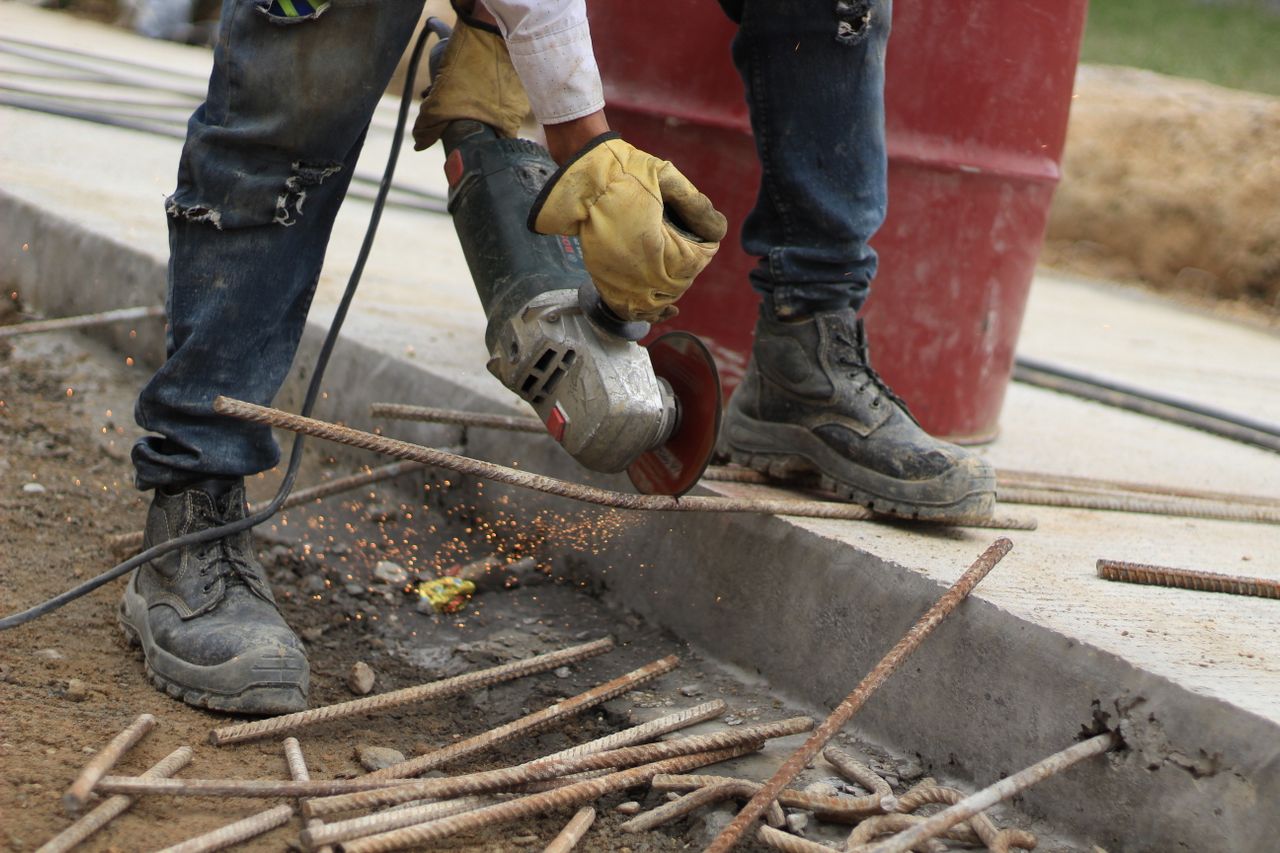
Caring for protective footwear in demanding environments

Caring for Protective Footwear in Demanding Work Environments

Caring for protective footwear is an important part of maintaining comfort, support, and the protective features that workers rely on in demanding environments. Safety boots and shoes can be exposed to dust, moisture, chemicals, mud, oils, heat, abrasion, and repeated impact during normal use. Without appropriate care, these conditions can contribute to premature wear and may affect the condition of the footwear.

Regular maintenance does not need to be complicated. Simple habits such as cleaning footwear after use, allowing it to dry properly, checking for visible damage, and storing it correctly can help extend its useful service life. The exact care routine will depend on the materials, construction, and workplace conditions involved.

For workers who spend long hours on their feet, choosing suitable footwear is only part of the process. Products such as Safeco safety footwear also need to be maintained according to their intended use and the manufacturer’s care guidance. Proper upkeep helps workers get consistent performance from their footwear while making it easier to identify when replacement may be necessary.

Why Protective Footwear Needs Regular Care

Protective footwear is designed to perform in environments where ordinary shoes may not provide sufficient protection. Depending on the work setting, footwear may incorporate features such as protective toe caps, slip-resistant outsoles, puncture-resistant components, water-resistant materials, or additional reinforcement around areas exposed to heavy wear.

These features can be subjected to considerable stress. Walking across rough surfaces, kneeling, climbing, standing for extended periods, and moving through wet or dirty areas can all contribute to gradual deterioration. Even when damage is not immediately obvious, accumulated dirt and moisture can affect materials and reduce comfort.

A consistent care routine can help workers identify problems earlier. It can also prevent avoidable deterioration caused by poor storage or inappropriate cleaning methods.

Useful maintenance habits include:

  • Remove dirt and debris after demanding work.
  • Allow damp footwear to dry naturally before storing it.
  • Inspect soles, seams, uppers, and fastening systems regularly.
  • Follow the manufacturer’s cleaning and care instructions.
  • Replace footwear when significant damage affects its protective function.

Maintenance should form part of normal workplace routines rather than being something that only happens when footwear looks heavily worn.

Cleaning Footwear After Difficult Working Conditions

Cleaning protective footwear regularly helps prevent accumulated dirt from becoming embedded in the material. Soil, dust, mud and other debris can collect around seams, tread patterns and fastening areas, particularly when footwear is used outdoors or in industrial environments.

Start by removing loose dirt with a soft brush or cloth. For footwear that has become muddy, allowing heavy deposits to loosen before gently brushing them away can make the process easier. Excessive force should be avoided because aggressive scrubbing or unsuitable tools may damage certain materials.

The cleaning method should always reflect the footwear’s construction. Leather, synthetic materials, textiles and specialist protective materials can have different care requirements. A cleaning product that is suitable for one material may not be appropriate for another.

Avoid soaking protective footwear unnecessarily. Excessive water exposure can affect adhesives, linings and certain materials, while repeatedly leaving footwear saturated may contribute to unpleasant odours and deterioration. Manufacturer instructions should take priority where specific cleaning products or procedures are recommended.

Drying Protective Footwear Correctly

Wet footwear is common in many workplaces, but the way it is dried can make a significant difference to its condition. After exposure to rain, standing water or wet working surfaces, footwear should generally be allowed to dry naturally in a well-ventilated area.

Direct high heat is not necessarily an appropriate drying method. Placing footwear immediately next to a strong heater or using intense heat can cause some materials to become brittle, shrink or lose their shape. Adhesive components may also be affected by excessive heat.

Instead, remove removable insoles if the manufacturer’s instructions allow this and leave the footwear somewhere with adequate airflow. This gives moisture an opportunity to evaporate gradually.

Patience helps.

If footwear is regularly exposed to significant moisture, having more than one suitable pair can also provide additional drying time between shifts. This can be particularly useful where workers cannot reasonably expect footwear to become completely dry during a normal break.

Paying Attention to the Soles and Tread

The outsole plays an important role in how protective footwear interacts with the working surface. Its tread pattern helps provide traction, while the construction and material are intended to withstand the conditions for which the footwear was designed.

Inspect the soles periodically rather than waiting until a problem becomes obvious. Look for excessive wear, cracking, separation, embedded objects or changes to the tread pattern. Uneven wear can also be worth noting because it may indicate that particular parts of the sole are experiencing greater stress.

Cleaning the tread is another useful maintenance step. Mud, stones and other debris can become lodged in grooves, making the outsole more difficult to inspect and potentially changing how it contacts the ground.

However, cleaning should not be confused with restoring a worn sole. If the outsole has deteriorated significantly, cleaning it will not restore its original protective or traction characteristics. At that stage, replacement should be considered in accordance with the manufacturer’s guidance and workplace safety requirements.

Inspecting Uppers, Seams and Protective Components

The upper portion of a safety boot or shoe can experience substantial abrasion, particularly around the toe, heel and areas where the footwear repeatedly flexes. Regular visual inspection makes it easier to identify changes before they become extensive.

Look for splits, deep scuffs, damaged stitching, separated sections, excessive creasing or exposed internal materials. Pay particular attention to areas that come into frequent contact with equipment, machinery, rough surfaces or chemicals.

Fasteners should also be checked. Laces, buckles, hooks, straps and other closure systems need to remain functional so that footwear can be secured correctly. A damaged fastening system can affect fit and stability even when the rest of the shoe appears to be in reasonable condition.

Protective components should not be modified or removed in an attempt to make footwear more comfortable. Alterations can potentially change the way the footwear was designed to perform. Where a protective component appears damaged, the appropriate response is to consult the manufacturer’s guidance or replace the footwear as necessary.

Managing Footwear in Dirty or Contaminated Work Areas

Some working environments expose footwear to substances that require more careful handling than ordinary dirt. Oils, fuels, cleaning agents, chemicals and other workplace substances may interact differently with different footwear materials.

Workers should follow workplace procedures for dealing with contaminated equipment and should consult the footwear manufacturer’s care instructions. A household cleaning method should not automatically be assumed to be suitable for occupational protective footwear.

Where a substance has come into contact with footwear, avoid experimenting with strong solvents or unapproved chemicals to remove it. Such products may affect the material or protective construction.

The workplace risk assessment and relevant safety procedures should guide the appropriate response, particularly where hazardous substances are involved.

Storing Safety Footwear Between Shifts

Correct storage can help prevent unnecessary deterioration. Protective footwear should ideally be kept in a clean, dry and adequately ventilated location where it will not be crushed, soaked or exposed to unsuitable temperatures.

Avoid leaving footwear in damp bags for extended periods. Enclosed storage can trap moisture and encourage unpleasant odours, while repeated compression can affect the shape of some footwear.

It is also useful to keep boots away from unnecessary contact with chemicals, oils or equipment that could damage the materials. A designated storage area makes regular inspection and cleaning easier.

Workers who use the same footwear every day should also consider the time needed for the footwear to dry and recover between shifts. This is particularly relevant in workplaces where footwear becomes wet or heavily soiled.

Knowing When Protective Footwear Should Be Replaced

No pair of protective footwear lasts indefinitely. Service life depends on factors such as frequency of use, working conditions, materials, maintenance, fit and the level of exposure to hazards.

A clean appearance does not necessarily mean footwear remains suitable for protective use. Likewise, superficial scuffing does not automatically mean a pair needs immediate replacement. The important consideration is whether the footwear remains structurally sound and capable of providing the protection for which it was intended.

Signs that warrant closer attention include:

  1. Significant sole wear or damage that affects traction.
  2. Cracks, splits or major separation in the upper or sole.
  3. Damaged protective components.
  4. Fasteners that no longer secure the footwear properly.
  5. Internal deterioration that affects fit or comfort.
  6. Damage resulting from chemical or environmental exposure.
  7. Any condition identified by the manufacturer as requiring replacement.

When there is uncertainty about whether footwear remains suitable, workplace safety procedures and manufacturer guidance should take precedence over trying to extend its use indefinitely.

Choosing Care Products Carefully

Not every shoe-care product is suitable for protective footwear. Different materials can respond differently to oils, waxes, detergents, conditioners and other substances.

Before applying a product, check the manufacturer’s instructions and confirm that it is compatible with the footwear material. This is particularly important for footwear incorporating specialised coatings or protective treatments.

A simple approach is often preferable. Remove surface dirt, use approved cleaning products when required, allow the footwear to dry appropriately and inspect it regularly. There is generally little benefit in applying multiple products without knowing whether they are compatible with the footwear.

Care should support the original construction rather than attempting to change it.

Making Footwear Care Part of the Working Routine

Protective footwear maintenance is easier when it becomes a normal part of the working routine. A quick inspection at the end of a shift can identify obvious dirt, moisture or damage, while a more thorough check can be carried out periodically.

Workers can also keep track of recurring problems. For example, if footwear repeatedly becomes saturated, heavily contaminated or damaged in the same area, that may indicate that the current footwear is not appropriate for the particular working conditions or that workplace procedures need to be reviewed.

Good footwear care is therefore about more than appearance. It combines cleaning, drying, inspection, storage and timely replacement. These straightforward practices can help preserve footwear in demanding environments and make it easier for workers to recognise when protective equipment is no longer suitable for continued use.

Protective footwear works as part of a broader workplace safety approach. Keeping it clean and in good condition does not replace appropriate hazard assessments or other required protective equipment, but it can help ensure that footwear remains ready for the conditions it was selected to handle.


air con companies

How Air Con Companies Help Cut Energy Bills and Improve Efficiency

When energy costs keep climbing, homeowners and businesses are constantly searching for ways to lower monthly expenses without sacrificing comfort. That’s where professional air con companies play a key role. By offering the latest in cooling technology and expert maintenance, these specialists help ensure systems work at peak efficiency and consume less electricity.

For many, the challenge lies in the fact that air conditioning units are often left running for long hours, especially in hot climates. Without proper care, they quickly become less efficient, straining harder to achieve the same results. Air con companies provide the knowledge and tools to keep cooling systems operating smoothly, ultimately lowering energy bills.

Another important aspect is that these companies don’t just focus on the mechanical side of things. They also advise customers on smart usage habits and system upgrades that can save significant amounts of money over time. Choosing the right air con companies means you’re not only investing in comfort but also in long-term savings.

Routine Maintenance for Better Efficiency

One of the main services offered by cooling specialists is scheduled maintenance. Just like a car, an air conditioning unit needs regular check-ups to run effectively. Cleaning filters, checking refrigerant levels, and ensuring there are no leaks are small steps that can drastically reduce unnecessary power consumption.

A neglected system often works twice as hard to cool a room, which means higher bills and a shorter unit lifespan. By keeping everything in top shape, professionals prevent costly energy waste. This simple step can make a noticeable difference in household and commercial utility costs.

The Role of Energy-Efficient Technology

Technology has advanced rapidly, and modern cooling systems are designed to consume less power while providing stronger performance. Air con specialists often recommend upgrades to energy-efficient models, particularly for those with units that are more than a decade old.

Some of the newer systems include:

  • Inverter-driven compressors that adjust cooling output dynamically.

  • Smart thermostats that learn user habits and optimise settings.

  • Multi-zone cooling that allows different areas to be cooled independently.

These innovations not only create a more comfortable indoor environment but also cut down on wasted electricity.

Advice on Smarter Usage Habits

Even the best unit will use excess energy if not managed correctly. That’s why many professionals also educate customers on practical ways to optimise their air conditioning. Simple changes such as setting the thermostat a degree higher, using ceiling fans in conjunction with cooling, and closing curtains during the hottest part of the day can reduce strain on the system.

These steps may seem minor, but together they add up to meaningful savings. Air con companies often highlight the fact that the way people use their systems can be just as important as the technology itself.

Long-Term Savings Through Expert Guidance

Beyond immediate reductions in monthly bills, there’s another hidden advantage to working with trained specialists: the prevention of expensive breakdowns. Systems that run inefficiently are more likely to develop serious faults, which can result in costly repairs or even premature replacement.

By ensuring everything is fine-tuned, air con experts help extend the lifespan of units, allowing customers to spread out the cost of their investment over many more years. This combination of energy savings and reduced repair bills creates a double benefit that makes professional support highly worthwhile.

Why Professional Support Matters

Ultimately, the biggest advantage lies in the peace of mind that comes from knowing your cooling system is being managed by skilled professionals. With their ability to provide regular servicing, recommend upgrades, and guide users on efficient habits, air con companies prove to be valuable partners in reducing energy expenses.

The comfort of a cool indoor space doesn’t have to come with soaring power bills. By taking advantage of expert care and modern technology, households and businesses can strike the perfect balance between comfort and cost efficiency.


black woman-owned suppliers

The Role of Black Woman-Owned Suppliers in Mining Procurement Transformation

The mining market has actually long been among the most essential pillars of South Africa’s economy, driving financial investment, work, and advancement throughout areas. At the heart of this sector lies commercial procurement Northern Cape, a system that makes sure mines are geared up with whatever from sturdy equipment to vital consumables. By protecting trustworthy procurement structures, mining business are not just able to keep smooth operations however likewise get ready for the progressing needs of worldwide markets.

One of the specifying functions of commercial procurement Northern Cape is how it reinforces collaborations in between regional services and significant mining operations. Through these relationships, providers offer vital tools, extra parts, and chemical items that keep extraction and processing plants running effectively. These supply chains straight affect performance and competitiveness, implying that the procurement function isn’t practically acquiring—it’s about guaranteeing sustainability in among the most resource-intensive markets.

Equally crucial is the growing focus on inclusivity and change within mining supply chains. Black woman-owned suppliers, for instance, are progressively being acknowledged and supported through procurement policies. This not just diversifies the provider base however likewise adds to significant financial empowerment, guaranteeing that chances developed by mining reach a larger section of South African society.

The Strategic Role of Procurement in Mining

Mining operations depend upon a large range of items and services that should be sourced dependably and cost-effectively. From security devices and protective equipment to sophisticated engineering options, every purchase affects the general performance of a job. A strong procurement method for that reason serves as a foundation for development.

Northern Cape commercial supplier networks play an important function here. These suppliers serve as essential links in between producers and mines, guaranteeing that items are provided on time and in the best amounts. Without these networks, business would deal with greater expenses, longer hold-ups, and increased threats that might jeopardize whole tasks.

Driving Transformation Through Supply Chain Diversity

South Africa’s dedication to B-BBEE mining procurement has actually improved how business see their collaborations. Mines are anticipated to obtain a substantial part of their items and services from formerly disadvantaged groups, consisting of small companies and black woman-owned providers. This technique not just abides by nationwide policies however likewise reinforces the strength of the supply chain.

In practice, this suggests procurement supervisors are now assessing possible providers not just on cost and quality however likewise on ownership structures and their contribution to financial change. By broadening the swimming pool of providers, mines unlock to ingenious concepts, localized options, and more powerful neighborhood ties. This causal sequence assists develop tasks, transfer abilities, and assistance sustainable local advancement.

Why Collaboration Matters for Growth

A mining supply business cannot be successful in seclusion. The most efficient services are those that create long-lasting collaborations with both mines and fellow suppliers. By structure collective networks, providers can pool resources, enhance logistics, and work out much better terms that benefit the whole worth chain.

There are numerous useful actions that highlight the value of cooperation:

  1. Sharing warehousing and transportation centers to cut expenses.

  2. Joint training initiatives that uplift regional employees.

  3. Co-establishing customized options for mines in remote locations.

Such cooperation assists support supply chains in a tough market where interruptions can be pricey.

The Future of Procurement in the Northern Cape

Looking ahead, procurement in the Northern Cape is most likely to end up being much more tactical as worldwide pressures improve the mining landscape. Sustainability objectives, more stringent policies, and quick technological advances imply business should reconsider how and from whom they source items. Mines will rely more greatly on suppliers and providers that can adjust rapidly and provide worth beyond basic deals.

By concentrating on inclusivity, accepting development, and enhancing regional networks, the procurement environment positions South Africa’s mining sector for long-lasting strength. The continued development of black woman-owned providers, together with the vital function of Northern Cape commercial supplier networks, shows how procurement is more than a functional requirement—it is a motorist of change and future competitiveness.


kitchen countertops West Coast

Kitchen Countertops West Coast: Natural Stone vs. Engineered Surfaces

If you’re developing your dream kitchen area or offering your present one a much-needed upgrade on South Africa’s gorgeous West Coast, your counter top choice is among the most crucial style options you’ll make. The best surface area does more than total your kitchen area’s appearance — it forms how you utilize and delight in the area each and every single day.

From Langebaan to Saldanha and Vredenburg, property owners are turning to kitchen countertops West Coast professionals trust to supply quality, resilience, and contemporary design. Countertops withstand the force of daily usage — hot pots, sharp knives, spilled sauces — and they should have the ability to endure all of it without losing their appeal. That’s why products matter simply as much as looks.

Choosing kitchen area counter tops West Coast property owners can depend on isn’t practically searching colours and selecting the most cost effective alternative. It’s about comprehending what works best in a seaside environment — where humidity, salt air, and sun direct exposure prevail — and guaranteeing your counter tops not just look excellent however last for many years.

Popular Countertop Materials That Suit West Coast Homes

Living by the coast features a unique style language — unwinded yet fine-tuned, practical yet welcoming. Your counter top needs to show that. Some products naturally line up with this way of life more than others.

Granite stays a veteran favourite for West Coast homes. Known for its extraordinary resilience and natural charm, granite can deal with high heat and regular usage. It’s best for big household cooking areas or homes where amusing prevails.

Quartz has actually acquired appeal thanks to its low-maintenance surface area and streamlined look. As a crafted stone, it withstands spots and doesn’t need sealing — perfect for property owners who desire a useful yet polished surface.

Porcelain and sintered stone surface areas are likewise becoming leading options. Resistant to UV rays and severe temperature levels, these products work well in open-plan cooking areas that get great deals of sunshine or extend into outside areas — something typical in West Coast architectural style.

And then there’s wood. Butcher block counter tops provide heat and character and are specifically matched to farm-style or rustic homes. While they need routine sealing to avoid water damage, they supply a natural, tactile appearance that lots of property owners enjoy.

Why Local Knowledge Makes a Big Difference

Sourcing your counter tops from regional providers who comprehend the seaside environment can conserve you time and difficulty down the line. When picking kitchen area counter tops West Coast business provide, you’re getting more than an item — you’re getting local knowledge.

Local specialists can advise products that carry out well in the location’s conditions, provide faster turn-around times, and supply simpler access to support or repair work if required. Whether you’re based in Velddrif, Hopefield, or Jacobsbaai, dealing with somebody close by makes sure much better interaction and individualized service throughout the task.

Planning for Layout, Lifestyle, and Longevity

While product choice is vital, design and kitchen area workflow likewise should have cautious idea. Countertops must match how you prepare, tidy, and captivate. Islands, breakfast bars, waterfall edges, and incorporated sinks aren’t simply trendy — they include useful worth and can improve daily usage.

If you’re preparing to utilize your counter tops greatly, resilience and upkeep requirements end up being specifically crucial. Natural stones like granite might require periodic sealing, while wood requires routine oiling. Quartz, on the other hand, is virtually carefree. Think about just how much time you’re willing to purchase maintenance, and pick appropriately.

Design That Complements Coastal Living

On the West Coast, style patterns frequently echo the surrounding environment — from sandy neutrals to rainy greys and ocean-inspired blues. Light-coloured counter tops are popular in beachside homes as they assist keep an airy, open feel. But vibrant, dark surfaces with remarkable veining are likewise acquiring traction for property owners seeking to make a declaration with their kitchen area counter tops West Coast, letting them wow loved ones.

The excellent aspect of contemporary counter tops is the adaptability. Whether you seek a minimalist Scandi appearance or a warm, farmhouse-style kitchen area, there’s a product and palette to match. Working with a designer or skilled provider can assist you envision various mixes in your own area before making a dedication.

Make Your West Coast Kitchen Work for You

Ultimately, counter tops are more than simply surface areas — they are main to how you reside in your home. Choosing the best ones makes sure that your kitchen area remains practical, gorgeous, and satisfying for many years to come. With numerous premium alternatives readily available, kitchen area counter tops West Coast specialists can assist you towards the best suitable for your home’s design, requires, and spending plan.

Whether you’re developing from scratch or just updating your kitchen area, don’t ignore the power of excellent counter tops. Invest carefully, strategy thoroughly, and delight in the advantages each time you prepare, captivate, or share a meal with household.


kitchen countertops West Coast

Kitchen Countertops West Coast: Combining Style and Durability

If you’re developing your dream kitchen area or offering your existing one a much-needed upgrade on South Africa’s stunning West Coast, your counter top choice is among the most essential style options you’ll make. The best surface area does more than total your kitchen area’s appearance — it forms how you utilize and take pleasure in the area every day.

From Langebaan to Saldanha and Vredenburg, property owners are turning to kitchen area counter tops West Coast specialists trust to offer quality, resilience, and modern-day design. Countertops sustain the impact of daily usage — hot pots, sharp knives, spilled sauces — and they need to have the ability to endure everything without losing their appeal. That’s why products matter simply as much as visual appeals.

Choosing kitchen countertops West Coast property owners can depend on isn’t almost searching colours and choosing the most inexpensive alternative. It’s about comprehending what works best in a seaside environment — where humidity, salt air, and sun direct exposure prevail — and guaranteeing your counter tops not just look fantastic however last for many years.

Popular Countertop Materials That Suit West Coast Homes

Living by the coast features a unique style language — unwinded yet fine-tuned, practical yet welcoming. Your counter top ought to show that. Some products naturally line up with this way of life more than others.

Granite stays a veteran favourite for West Coast homes. Known for its amazing resilience and natural charm, granite can deal with high heat and regular usage. It’s ideal for big household cooking areas or homes where amusing prevails.

Quartz has actually acquired appeal thanks to its low-maintenance surface area and smooth look. As a crafted stone, it withstands spots and doesn’t need sealing — perfect for property owners who desire a useful yet polished surface.

Porcelain and sintered stone surface areas are likewise becoming leading options. Resistant to UV rays and severe temperature levels, these products work well in open-plan cooking areas that get great deals of sunshine or extend into outside areas — something typical in West Coast architectural style.

And then there’s wood. Butcher block counter tops use heat and character and are particularly fit to farm-style or rustic homes. While they need routine sealing to avoid water damage, they offer a natural, tactile appearance that lots of property owners like.

Why Local Knowledge Makes a Big Difference

Sourcing your counter tops from regional providers who comprehend the seaside environment can conserve you time and problem down the line. When picking kitchen area counter tops West Coast business use, you’re getting more than an item — you’re getting local knowledge.

Local specialists can advise products that carry out well in the location’s conditions, use faster turn-around times, and offer simpler access to support or repair work if required. Whether you’re based in Velddrif, Hopefield, or Jacobsbaai, dealing with somebody close by guarantees much better interaction and individualized service throughout the job.

Planning for Layout, Lifestyle, and Longevity

While product choice is important, design and kitchen area workflow likewise should have cautious idea. Countertops need to match how you prepare, tidy, and captivate. Islands, breakfast bars, waterfall edges, and incorporated sinks aren’t simply elegant — they include useful worth and can enhance daily usage.

If you’re preparing to utilize your counter tops greatly, resilience and upkeep requirements end up being particularly essential. Natural stones like granite might require periodic sealing, while wood requires routine oiling. Quartz, on the other hand, is almost carefree. Think about just how much time you’re willing to buy maintenance, and select appropriately.

Design That Complements Coastal Living

On the West Coast, style patterns frequently echo the surrounding environment — from sandy neutrals to rainy greys and ocean-inspired blues. Light-coloured counter tops are popular in beachside homes as they assist preserve an airy, open feel. But vibrant, dark surfaces with remarkable veining are likewise getting traction for property owners aiming to make a declaration with their kitchen area counter tops West Coast, letting them wow family and friends.

The fantastic aspect of modern-day counter tops is the adaptability. Whether you seek a minimalist Scandi appearance or a warm, farmhouse-style kitchen area, there’s a product and palette to match. Working with a designer or knowledgeable provider can assist you picture various mixes in your own area before making a dedication.

Make Your West Coast Kitchen Work for You

Ultimately, counter tops are more than simply surface areas — they are main to how you reside in your home. Choosing the best ones guarantees that your kitchen area remains practical, stunning, and pleasurable for many years to come. With numerous top quality choices readily available, kitchen area counter tops West Coast specialists can assist you towards the ideal suitable for your home’s design, requires, and budget plan.

Whether you’re developing from scratch or merely improving your kitchen area, don’t neglect the power of fantastic counter tops. Invest carefully, strategy thoroughly, and take pleasure in the advantages whenever you prepare, captivate, or share a meal with household.