
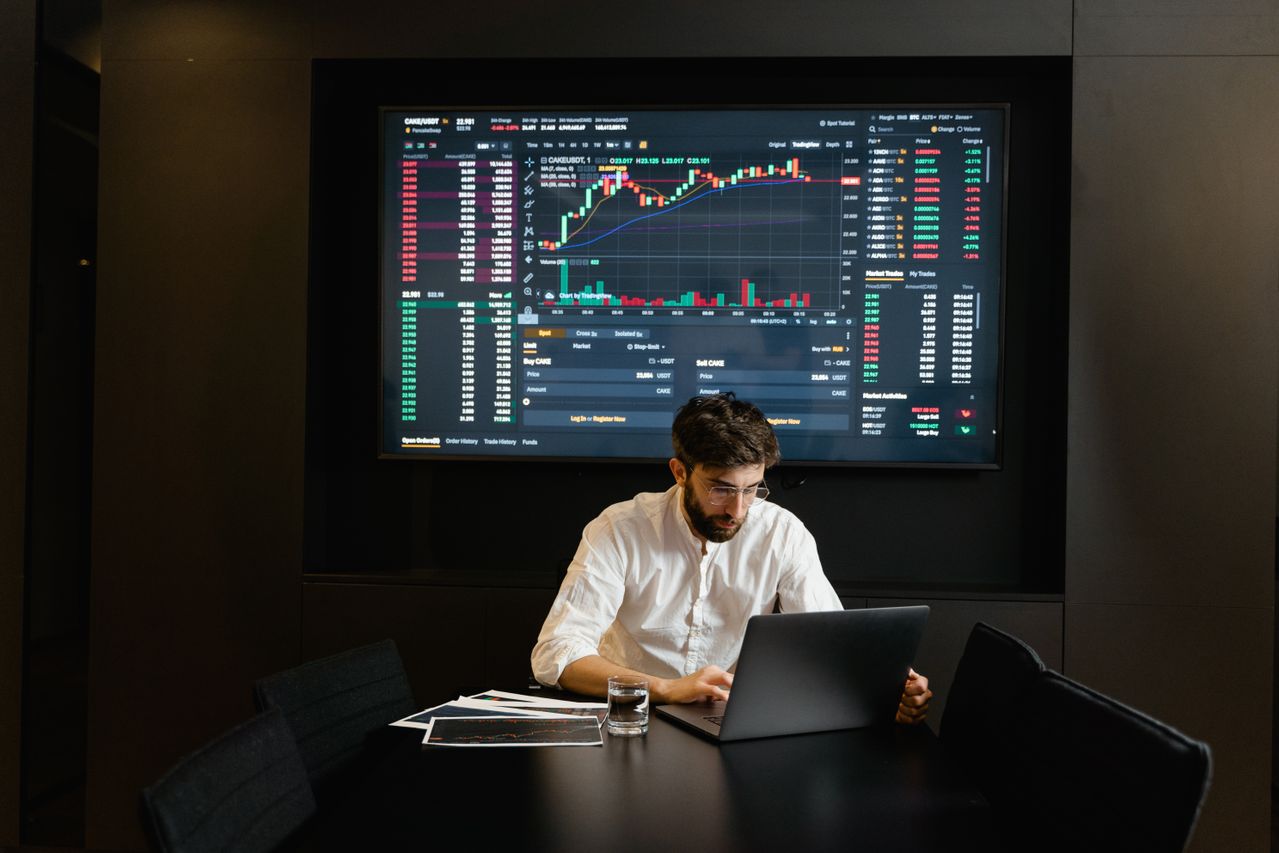

Comparing Trading Platforms: Features That Actually Matter
Choosing a trading platform can feel complicated when every provider seems to advertise advanced tools, competitive pricing and sophisticated technology. For new and experienced traders alike, the challenge is not finding a platform with a long list of features, but identifying which features are genuinely useful for the way you intend to trade. A practical brokers comparison should therefore focus on functionality, costs, usability and reliability rather than marketing claims alone.
A trading platform is the software or online interface that allows you to view markets, analyse instruments, place orders and monitor positions. Some platforms are designed with beginners in mind, while others provide more advanced charting, technical indicators and order-management capabilities. The right choice depends on your experience, preferred markets, trading frequency and the tools you actually expect to use.
It is also important to separate the trading platform from the broker itself. A broker provides access to financial markets and holds or manages your trading account, while the platform is the technology through which you interact with that account. In some cases, a broker develops its own software. In others, it provides access to a third-party platform.
Start With the Markets You Want to Trade
Before comparing interface designs or technical indicators, establish which markets you need to access. A platform may offer excellent functionality but still be unsuitable if it does not provide the instruments you are interested in.
Depending on the provider, traders may encounter products such as shares, exchange-traded funds, currencies, indices, commodities or other financial instruments. Availability can differ between brokers and jurisdictions, and the costs or conditions attached to each market may also vary.
Consider these factors before opening an account:
- Which financial markets and instruments are available?
- Are the specific assets you want to trade supported?
- What trading hours and market sessions can you access?
- Are there restrictions based on your country or account type?
- Does the platform provide the information needed to analyse those markets?
This step can eliminate unsuitable options quickly. There is little value in choosing a platform because it has excellent charting tools if it does not provide access to the instruments you actually want to research.
Look Closely at the Trading Interface
The trading interface is where you will spend much of your time, so usability matters. A platform should make it reasonably straightforward to locate instruments, review market information, create orders and monitor existing positions.
A clean interface does not necessarily mean a basic interface. Advanced traders may require multiple charts, watchlists, technical indicators and detailed order information. Beginners, meanwhile, may benefit from a simpler layout that avoids presenting too much information at once.
Navigation is particularly important when markets are moving quickly. Important information should be easy to locate without requiring unnecessary steps. Order-entry screens should also make the relevant details clear before an order is submitted.
If possible, explore a platform through a demonstration environment or publicly available interface previews before committing to it. This gives you an opportunity to determine whether the layout suits your experience level and trading habits.
Examine Charting and Analysis Tools
Charting is one of the most important functions for traders who rely on technical analysis. However, having hundreds of indicators does not automatically make a platform more useful.
Look for practical charting capabilities such as different timeframes, drawing tools, custom indicators and the ability to compare price movements. The usefulness of these features depends on the strategy being used.
Some traders may need only basic price charts and a small selection of indicators. Others may require more advanced chart configurations and the ability to save customised layouts. Historical data can also be important because analysing previous price behaviour often forms part of a trader’s research process.
The key is to match the analytical tools with your actual requirements. A platform overloaded with features can sometimes make the trading process less efficient if those features are difficult to navigate or unnecessary for your approach.
Understand the Different Order Types
Order functionality deserves careful attention because placing a trade involves more than simply selecting an asset and entering an amount.
Common order types can include market orders, limit orders and stop orders, although the precise options available depend on the broker and instrument. Each type is designed for a different purpose, and traders should understand how an order works before using it with real money.
A platform should present important order information clearly. This may include the instrument, quantity, price conditions and any applicable costs. Some platforms also provide additional order-management features that allow traders to modify or cancel pending orders.
Take time to understand the mechanics of the order types offered. A visually attractive platform is of limited value if its order-entry process is confusing or if you cannot easily determine what will happen after submitting an order.
Compare Costs Beyond the Headline Commission
Trading costs can have a meaningful effect on investment or trading results, particularly for people who place transactions frequently. However, comparing only the advertised commission can give an incomplete picture.
Depending on the broker and product, costs may include commissions, spreads, currency-conversion charges, account fees, market-data charges or other applicable expenses. Some costs may be fixed, while others vary according to the transaction or market conditions.
A useful comparison should consider the total cost associated with the type of trading you intend to do. For example, an investor who makes occasional share purchases may face a different cost structure from someone who trades frequently.
Do not assume that a platform with zero or low advertised commission is automatically the lowest-cost option. Other charges may still apply, and the relevant costs depend on the products and services being used.
Consider Mobile and Desktop Access
Many traders use more than one device. A desktop platform may provide a broader workspace for research and chart analysis, while a mobile application can be useful for checking positions and account information while away from a computer.
The mobile experience should not be treated as an afterthought. Important account information should remain accessible, and basic trading functions should be presented clearly.
At the same time, mobile convenience should not replace proper risk assessment. A smaller screen can make detailed analysis more difficult, particularly when several charts or indicators are involved. The best setup may therefore involve using different devices for different tasks.
Check Market Data and Research Features
Reliable market information is another important consideration. Depending on the product, traders may need price quotes, historical data, company information, economic information or other research tools.
The quality and availability of data can vary. Some information may be included with an account, while other data services may carry additional charges. Real-time information may also be subject to different access conditions from delayed information.
Research features can be particularly useful for investors who want to evaluate an asset before placing an order. However, these tools should support independent decision-making rather than replace it. A platform’s research section may contain useful information, but users should understand where information comes from and whether it represents factual data, analysis or opinion.
Evaluate Security and Account Protection
Security is an essential part of choosing a trading service. Financial accounts contain sensitive information and may provide access to significant sums of money, so basic security features should not be overlooked.
Look for measures such as secure login procedures, multi-factor authentication and appropriate account protections. It is also important to understand the regulatory status of the broker and which legal entity will hold your account.
Regulation and investor protections can vary significantly between jurisdictions and account structures. Traders should check the specific entity they would be dealing with rather than relying solely on a familiar brand name.
Security also involves the user’s own behaviour. Strong, unique passwords and additional authentication measures can reduce the risk of unauthorised access.
Pay Attention to Customer Support
Technical problems can become particularly frustrating when you are unable to access an account or need clarification about a transaction. Customer support is therefore another practical feature worth investigating.
Consider whether support is available through channels that suit you, such as email, telephone or online chat. Also examine the provider’s stated support hours and whether assistance is available during the periods when you are most likely to need it.
Support quality can be difficult to judge from marketing material alone. Reading the provider’s documentation and understanding its normal account-support process can provide more useful information.
Check the Platform’s Reliability
A trading platform needs to function consistently. Even an impressive interface becomes less useful if the service frequently experiences technical interruptions or if important functions are difficult to access during busy periods.
No technology platform can guarantee uninterrupted availability. However, traders can investigate the provider’s published service information and understand how technical issues are communicated.
It is also worth considering what happens if the platform becomes temporarily unavailable. A broker may offer alternative access methods, although the availability and functionality of those alternatives differ.
Reliability is therefore not simply about speed. It includes accessibility, stability and the ability to manage an account when circumstances change.
Compare the Features That Match Your Trading Style
A detailed brokers comparison becomes more useful when you assess platforms according to your own requirements rather than counting the number of features advertised.
A long feature list can be impressive, but a smaller selection of well-designed tools may be more practical for a particular trader. Someone investing for the long term may place greater importance on research, account management and straightforward order placement. An active trader may focus more heavily on charts, order types, execution tools and market information.
Use a structured process when comparing the available options:
- Identify the markets and instruments you need.
- Review the platform’s charting and research capabilities.
- Examine the available order types and order-entry process.
- Calculate the costs relevant to your expected trading activity.
- Test the interface on the devices you are likely to use.
- Investigate security, regulation and account protections.
- Review customer support and platform reliability.
This approach keeps the comparison focused on practical requirements rather than promotional features.
Consider the Overall Account Experience
The platform is only one part of the trading service. Account opening, deposits, withdrawals, reporting and portfolio management can all affect the overall experience.
For example, a platform might provide excellent charts but make routine account administration unnecessarily difficult. Another provider may have a simpler interface but offer strong portfolio reporting and straightforward account management.
Consider what happens outside the actual trade. Can you easily find transaction records? Are statements understandable? Can you monitor your holdings without navigating through several unrelated sections? Are deposits and withdrawals clearly explained?
These details may not appear prominently in advertisements, but they can become important over time.
Avoid Choosing Based on Appearance Alone
Modern trading platforms often compete through polished interfaces and extensive feature lists. While design and usability matter, appearance should not be confused with suitability.
A platform can look sophisticated while providing tools that are irrelevant to your needs. Conversely, a relatively simple interface may provide everything required for straightforward investing.
The most useful comparison is therefore based on function. Consider what you need to accomplish, identify the features that support those activities and then examine the costs and conditions attached to them.
It is also sensible to understand the risks of the financial products you are considering. A well-designed platform does not make an investment or trading strategy inherently safe, and convenient access to markets can make it easier to act without sufficient research.
Focus on What You Will Actually Use
Choosing a trading platform does not require finding one with every possible feature. It requires understanding which functions matter for your particular circumstances.
Start with market access, then consider usability, charting, order functionality, costs, security, research, support and reliability. Review the complete account experience rather than looking only at the trading screen.
A platform should make it easier to carry out your intended activities while giving you clear information about orders, costs and account activity. Taking the time to compare these practical characteristics can help you understand the differences between providers and select an account that fits your own requirements.