
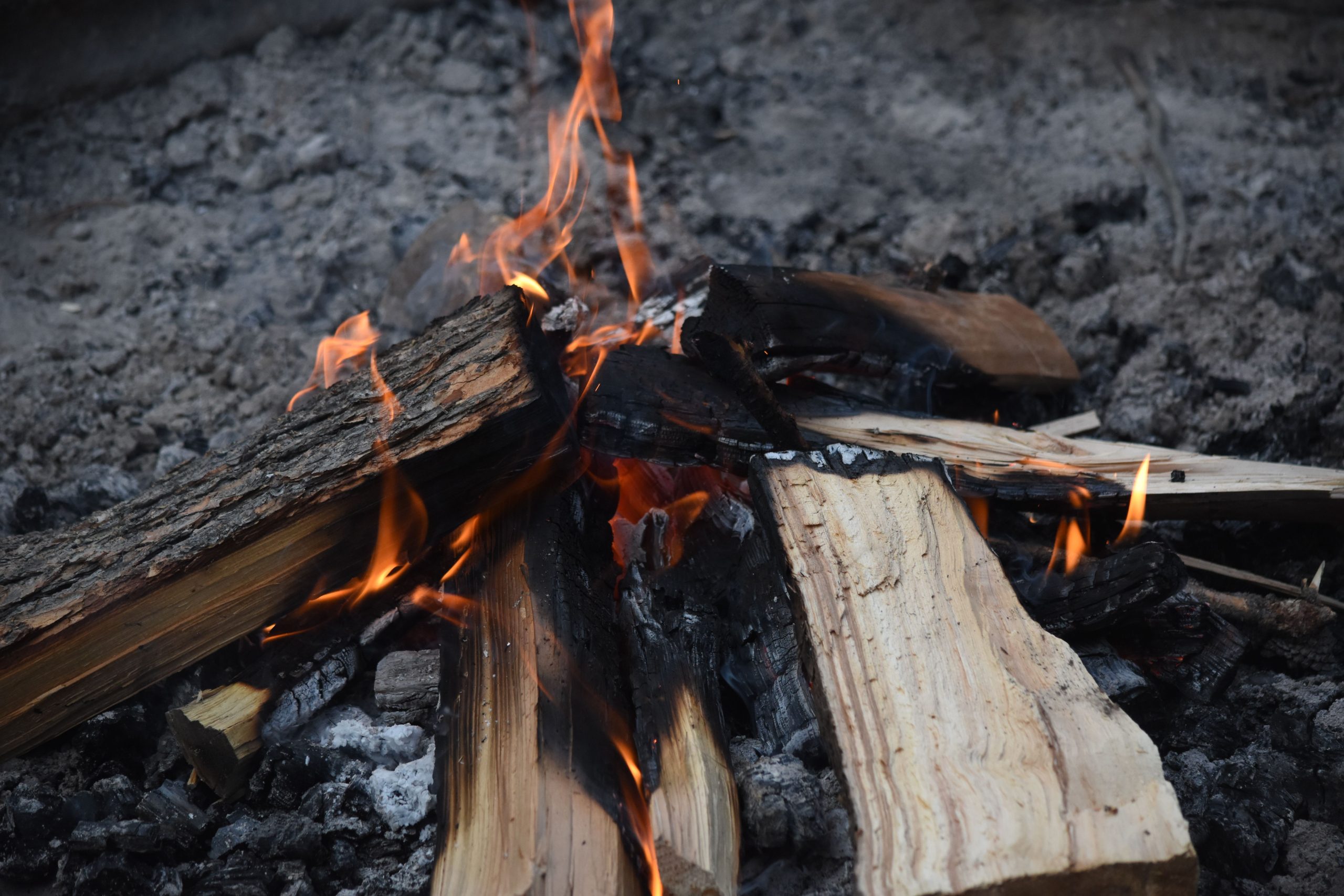

What to Know Before Buying Premium Namibian Hardwood Near Cape Town
Cape Town’s climate, outdoor lifestyle and love of braais make quality firewood an important consideration for many households and businesses. Whether you enjoy weekend braais, rely on a fireplace during colder months or need a dependable fuel source for regular use, choosing the right hardwood can make a noticeable difference to your experience.
Namibian hardwood is a popular option for people looking for reliable firewood with good heat output and lasting performance. Its suitability for different applications, however, depends on the wood species, moisture content, preparation and storage conditions.
Before purchasing premium Namibian hardwood near Cape Town, it helps to understand what makes quality firewood, which factors influence its performance and what to look for when comparing suppliers. Making an informed decision can help you get better value, avoid unnecessary waste and choose wood that suits your heating or cooking requirements.
What Makes Namibian Hardwood a Popular Firewood Choice?
Hardwood is generally valued for its density and ability to produce sustained heat. Compared with many lighter softwoods, properly seasoned hardwood can provide a longer-lasting fire and a consistent supply of warmth.
Namibian hardwood is often chosen for its suitability for fireplaces, indoor heating and outdoor cooking. Depending on the species and preparation, it can offer a combination of dependable heat output, steady burning characteristics and practical storage benefits.
However, not all hardwood is identical. Different species have different densities, burning characteristics and moisture levels. The quality of the final product also depends on how the timber has been harvested, processed, dried and transported.
Understanding these differences makes it easier to select firewood that meets your expectations.
Check the Moisture Content Before Buying
One of the most important considerations when purchasing firewood is moisture content.
Freshly cut wood contains considerable natural moisture. It needs sufficient time to dry before it becomes suitable for efficient burning. This process is known as seasoning.
Wet or poorly seasoned firewood can be difficult to ignite and may produce excessive smoke. It can also generate less usable heat because some of the energy is spent evaporating moisture rather than warming your space or cooking your food.
Ideally, look for properly seasoned hardwood with a moisture content of around 20% or lower.
A few things to consider include:
- Appearance: Seasoned wood often has visible cracks at the ends and may appear lighter than freshly cut timber.
- Weight: Properly dried firewood generally weighs less than comparable green wood.
- Sound: Two dry pieces tapped together often produce a sharper sound than wet pieces.
- Storage: Ask whether the wood has been stored in a dry, well-ventilated area.
- Testing: A moisture meter provides a more reliable indication than appearance alone.
A reputable supplier should be able to explain how the firewood has been dried and stored. Do not rely entirely on visual appearance when moisture content is important.
Consider What You Will Use the Hardwood For
Your intended use should influence the type and quantity of firewood you purchase.
Although hardwood is suitable for several applications, different requirements may call for different characteristics. A household using a fireplace regularly may prioritise lasting heat, while someone buying wood for weekend braais may focus on cooking performance and manageable burning characteristics.
For home heating, consider firewood that provides steady warmth over an extended period. Larger pieces can be useful for maintaining a fire, provided they are appropriately sized for your fireplace or stove.
For braais, consider pieces that are easy to manage and produce a suitable cooking bed of coals. The wood should be clean, properly seasoned and free from chemical treatments, paint or other contaminants.
Common applications include:
- Fireplaces: Suitable hardwood can provide sustained warmth during colder weather.
- Braais: Appropriate firewood can create a useful bed of hot coals for outdoor cooking.
- Indoor heating: Properly dried wood can support more efficient combustion in compatible appliances.
- Outdoor entertainment: Reliable firewood makes it easier to prepare for gatherings and social occasions.
- Hospitality businesses: Restaurants and accommodation establishments may need consistent supplies for regular cooking or heating requirements.
Always check that your fireplace, stove or braai is designed for the type and size of wood you intend to use.
Understand the Difference Between Price and Value
Firewood prices can vary considerably depending on the wood species, quality, moisture content, quantity and delivery arrangements.
It may be tempting to choose the cheapest available option, particularly when purchasing larger quantities. However, a lower purchase price does not automatically mean better value.
Poorly seasoned wood, inconsistent piece sizes and excessive bark or waste can affect how much usable firewood you receive.
When comparing suppliers, look beyond the advertised price. Ask what quantity is included, whether the wood is properly dried and how it is measured.
For example, a supplier selling firewood by volume should be able to explain whether the quoted quantity refers to stacked or loosely loaded wood. These measurements are not directly interchangeable because the amount of empty space between pieces can differ.
Consider the following before making your purchase:
- The actual quantity supplied.
- The species and quality of the hardwood.
- Whether the wood is seasoned and ready to burn.
- The average size of the individual pieces.
- Whether delivery is included in the quoted price.
- The supplier’s approach to handling customer concerns.
A transparent quotation makes it easier to compare offers fairly and avoid unexpected costs.
Choose a Reliable Firewood Supplier Near Cape Town
Finding a dependable supplier is just as important as choosing the right type of hardwood.
A good supplier should provide clear information about the origin, quality and condition of their firewood. They should also be able to explain delivery arrangements and help customers select an appropriate quantity.
When researching premium Namibian hardwood near Cape Town, consider whether the business has experience supplying households, restaurants and other customers with different firewood requirements.
Look for suppliers who communicate clearly and avoid vague descriptions of their products.
Customer feedback can also provide useful information. Reviews may highlight delivery reliability, product consistency and the general buying experience.
Before placing an order, consider asking:
- Is the hardwood properly seasoned and ready for use?
- Which wood species are supplied?
- What quantities are available?
- Are delivery services available in your area?
- How are orders measured and loaded?
- Is the firewood protected during transportation?
These questions can help establish whether a supplier offers a suitable product and a reliable service.
Plan Your Firewood Delivery and Storage
Delivery arrangements are particularly important when purchasing bulk firewood.
A large order can provide convenience and reduce the need for frequent purchases, but only when you have enough suitable storage space. Before arranging delivery, consider where the wood will be placed and whether the delivery vehicle can access the property.
Ideally, firewood should be stored in a dry, well-ventilated area. Good airflow allows moisture to escape and helps prevent damp conditions from affecting the timber.
Avoid placing firewood directly on soil or grass. Instead, use a raised platform, pallet or suitable storage rack to reduce contact with ground moisture.
A few practical storage recommendations include:
- Keep the wood elevated to improve airflow underneath.
- Cover the top of the stack to protect it from rain.
- Leave the sides open where possible to encourage ventilation.
- Store firewood away from excessive indoor moisture.
- Keep the storage area organised and accessible.
- Maintain a safe distance from fireplaces, braais and other heat sources.
Good storage practices help preserve the quality of your purchase and reduce the risk of mould and deterioration.
Buy the Right Quantity for Your Needs
The amount of firewood you need depends on how frequently you use it, the type of appliance or braai you have and the duration of each fire.
Occasional braai users may only need a smaller supply, while households that regularly use fireplaces during winter may benefit from purchasing larger quantities.
Businesses should consider their average weekly consumption and seasonal demand. Restaurants, guesthouses and other hospitality establishments may need a consistent supply to avoid interruptions during busy periods.
It is also worth considering the space available for storage. Buying more wood than you can store properly may lead to unnecessary moisture exposure and reduced product quality.
A practical approach is to estimate your typical usage before ordering. This helps you select a quantity that balances convenience, storage capacity and cost.
Use Hardwood Responsibly and Safely
Responsible firewood purchasing involves more than selecting a suitable product. The source, handling and use of the timber also matter.
Choose suppliers who can provide information about where their wood comes from and whether it has been sourced responsibly. Avoid purchasing timber of uncertain origin, particularly where there are concerns about illegal harvesting or protected tree species.
Safe burning practices are equally important.
Only burn clean, untreated firewood in an appropriate appliance or designated outdoor cooking area. Never use treated timber, painted wood, household waste or chemically contaminated materials as fuel.
For indoor fireplaces, ensure that the chimney and flue are maintained and that smoke can escape correctly. Proper ventilation is essential, as burning wood can produce carbon monoxide, a dangerous gas that cannot be detected by smell.
Install and maintain suitable carbon monoxide alarms where recommended for your heating setup. Follow the manufacturer’s operating instructions and arrange regular inspections of your fireplace or stove.
These precautions help make firewood use safer for households and businesses.
Make an Informed Hardwood Purchase
Choosing quality firewood involves considering several factors together. The wood species, moisture content, preparation, quantity and supplier reliability all contribute to the overall value of your purchase.
Namibian hardwood can be a practical option for people looking for dependable firewood for braais, fireplaces and other suitable heating applications. However, product quality should always take priority over assumptions based on origin or marketing descriptions.
Take time to compare suppliers, ask questions about seasoning and confirm delivery arrangements before ordering. With the right information and proper storage, you can make a more confident purchasing decision and enjoy a dependable supply of firewood when you need it.