Archives: March 24, 2026

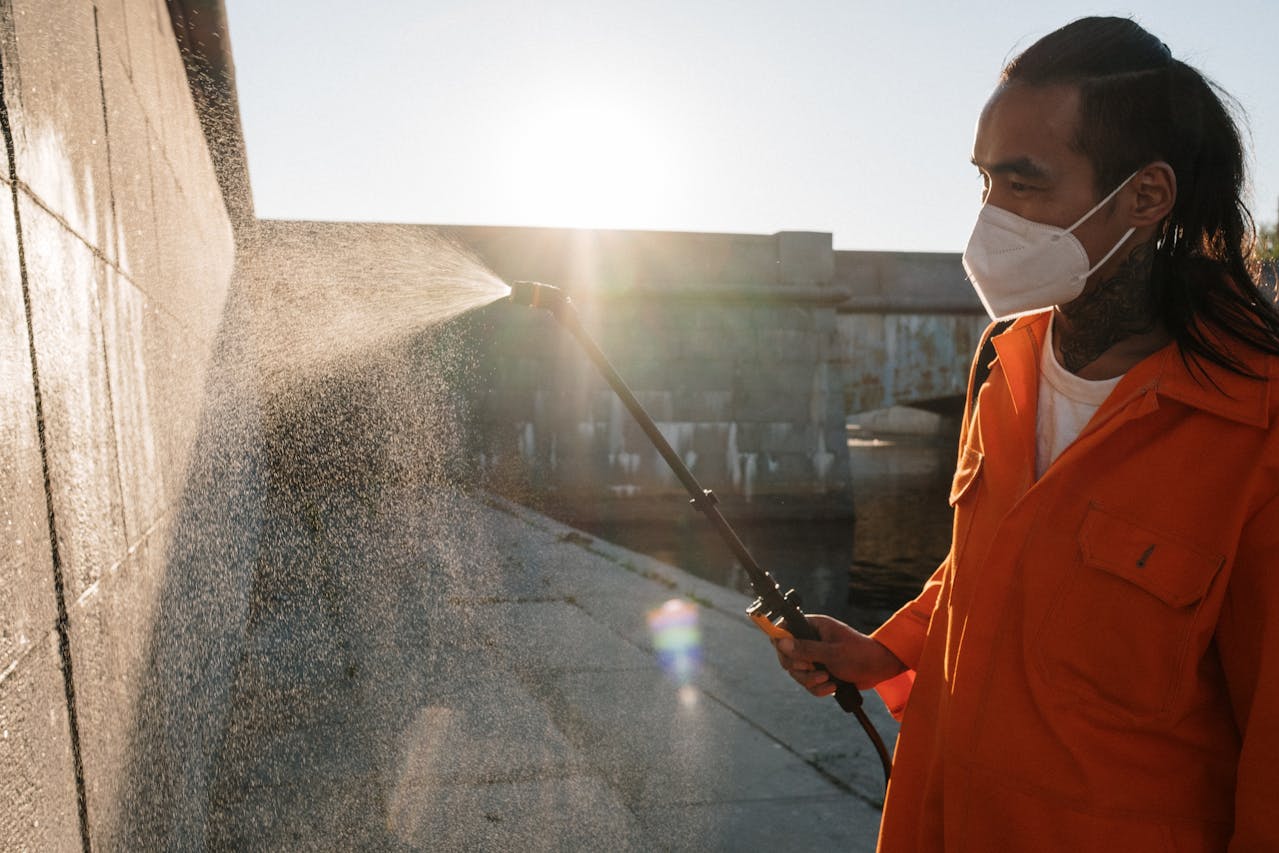
Eco-friendly pest control methods being applied in a residential garden

Green Pest Management: Reducing Chemical Exposure Without Sacrificing Results

Green pest management has become an important consideration for homeowners and businesses seeking to control infestations while minimizing unnecessary exposure to harsh chemicals. As awareness grows around environmental health, more people are looking for solutions that balance effectiveness with safety. This approach focuses on prevention, monitoring, and targeted interventions rather than routine heavy pesticide use.

In regions with diverse climates and urban density such as Cape Town, pest pressures can vary significantly throughout the year. Factors like temperature, humidity, and proximity to natural habitats all contribute to recurring pest activity. As a result, sustainable strategies are increasingly being adopted to manage pests in a way that aligns with both public health and environmental responsibility.

For households and property managers, understanding how to reduce reliance on chemical treatments without compromising results is key. Practices aligned with eco-friendly pest control in Cape Town are not only about avoiding chemicals but also about implementing smarter, long-term control methods that address the root causes of infestations rather than just the symptoms.

Understanding Green Pest Management Principles

Green pest management, often referred to as integrated pest management (IPM), is a structured approach that emphasizes prevention, monitoring, and control with minimal environmental impact. Instead of relying on routine pesticide applications, it prioritizes informed decision-making based on pest behavior and lifecycle patterns.

The core principle is simple: eliminate conditions that attract pests before resorting to treatment. This includes managing food sources, moisture, and shelter opportunities that pests depend on. Chemical interventions are used only when necessary and are applied in a targeted, controlled manner.

This method is particularly effective in urban environments such as Cape Town, where residential and commercial properties often face recurring pest challenges due to dense infrastructure and favorable climatic conditions.

Why Reducing Chemical Exposure Matters

Excessive use of chemical pesticides can have unintended consequences for human health, pets, and the surrounding ecosystem. Prolonged exposure to certain substances may irritate the skin, eyes, or respiratory system, and in some cases, contribute to more serious health concerns.

Beyond direct exposure, chemicals can also impact beneficial organisms such as pollinators and natural predators that help maintain ecological balance. Overuse may disrupt these natural systems, potentially leading to pest resistance over time, which makes infestations harder to control.

Adopting eco-friendly pest control in Cape Town helps reduce these risks by emphasizing safer alternatives and precision-based treatments. This approach supports healthier living environments while still maintaining effective pest suppression.

Key Components of a Green Pest Strategy

A successful green pest management plan integrates several components that work together to reduce pest activity over time. These components are designed to be proactive rather than reactive, focusing on long-term control.

  1. Inspection and Identification
    Proper identification of pest species is essential. Different pests require different control strategies, and misidentification can lead to ineffective treatments.
  2. Prevention Measures
    Structural maintenance, sealing entry points, and improving sanitation are critical. Small gaps, leaks, or food residues can quickly attract pests.
  3. Monitoring Systems
    Regular monitoring helps detect early signs of infestation. Traps and visual inspections allow for timely intervention before populations grow.
  4. Targeted Treatment
    When intervention is necessary, treatments are applied selectively. This may include baiting systems or localized applications rather than widespread spraying.
  5. Evaluation and Adjustment
    Continuous assessment ensures that strategies remain effective. Adjustments are made based on observed outcomes and changing conditions.

Each of these elements contributes to a balanced system that minimizes unnecessary chemical usage while maintaining control over pest populations.

Common Green Pest Control Techniques

Green pest management incorporates a range of techniques that reduce reliance on synthetic chemicals. These methods are often used in combination to achieve optimal results.

  • Mechanical controls such as traps and barriers
  • Biological controls that introduce natural predators
  • Habitat modification to remove pest-friendly conditions
  • Use of plant-based or low-toxicity treatments
  • Heat or cold treatments for specific infestations

These techniques are selected based on the type of pest, the severity of the infestation, and the environment in which they are applied. In many cases, combining multiple approaches yields the best long-term outcomes.

How Homeowners Can Support Sustainable Pest Control

Homeowners play a crucial role in maintaining pest-free environments. Small changes in daily habits and property maintenance can significantly reduce the likelihood of infestations.

Simple actions such as storing food in sealed containers, disposing of waste regularly, and fixing leaks promptly can make a noticeable difference. Outdoor areas should also be maintained to avoid creating hiding spots for pests.

In addition, regular inspections of attics, basements, and exterior walls can help identify vulnerabilities early. Preventive maintenance is often more cost-effective than addressing a full infestation later.

When Professional Assistance Is Needed

While many preventive measures can be implemented independently, certain situations require professional expertise. Severe infestations, recurring pest problems, or hard-to-identify species often need specialized assessment and treatment.

Professional pest control providers trained in green methods understand how to apply treatments safely and effectively. They also have access to tools and techniques that are not typically available to the general public.

In areas like Cape Town, professionals are familiar with local pest trends and environmental conditions, allowing them to tailor solutions accordingly. This localized knowledge enhances the effectiveness of eco-conscious strategies.

Benefits of Adopting Eco-Friendly Approaches

Choosing environmentally conscious pest control methods offers multiple advantages beyond just reducing chemical exposure. These benefits extend to health, property preservation, and long-term sustainability.

  • Improved indoor air quality due to reduced chemical residues
  • Lower risk of pesticide resistance developing in pest populations
  • Safer environments for children, pets, and sensitive individuals
  • Better alignment with environmental conservation practices
  • Long-term cost efficiency through prevention-focused strategies

These benefits demonstrate that green pest management is not a compromise in effectiveness but rather a strategic shift toward more sustainable outcomes.

Challenges and Considerations

Despite its advantages, green pest management does come with certain challenges. It may require more planning, consistent monitoring, and patience compared to conventional methods that rely heavily on immediate chemical results.

Initial costs can sometimes be higher due to inspection and preventive measures. However, these costs are often offset over time by reduced need for repeated treatments. Additionally, achieving optimal results may require ongoing adjustments and a deeper understanding of pest behavior.

Environmental conditions, particularly in coastal or temperate climates, can also influence pest activity patterns. This makes adaptability an important factor in maintaining long-term success.

Building a Long-Term Pest Prevention Mindset

Sustainable pest control is most effective when approached as an ongoing process rather than a one-time solution. Developing habits that support cleanliness, maintenance, and early detection can significantly reduce pest risks.

Consistency is key. Regular upkeep, combined with informed decision-making, creates an environment that is less attractive to pests and more resilient to infestations. Over time, this reduces the need for intensive interventions and supports a healthier living or working space.

A practical mindset focuses on prevention first, intervention second, and evaluation throughout. By integrating these principles into everyday routines, property owners can maintain control while minimizing environmental impact.

Ultimately, green pest management represents a balanced approach that aligns safety, effectiveness, and sustainability. It reflects a shift toward smarter pest control practices that prioritize long-term results without relying heavily on chemical exposure.
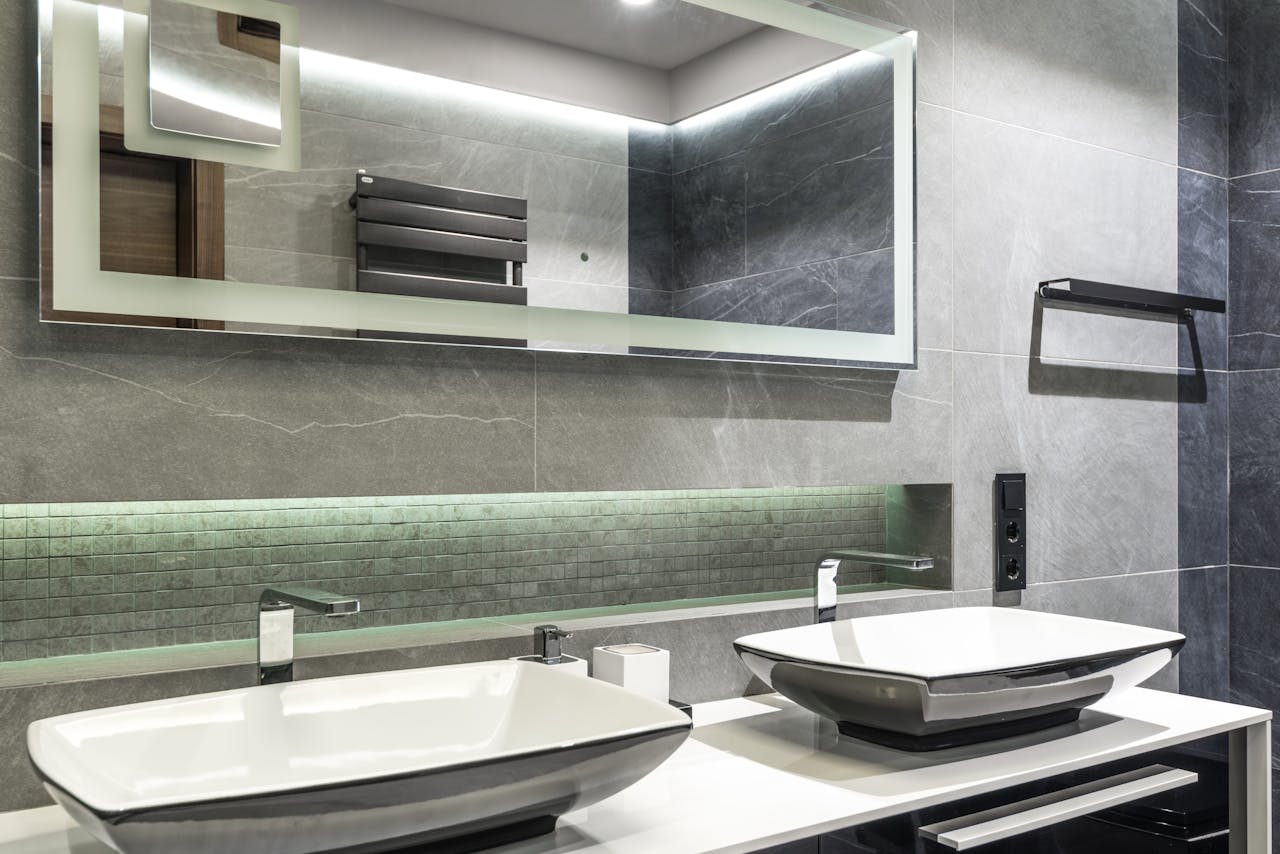

bathroom sink drain cleaning by Linden plumbing professionals

How Regular Drain Cleaning Improves Home Plumbing Efficiency

Keeping a home’s plumbing system working smoothly requires more than fixing problems when they appear. Many homeowners focus on visible issues like dripping taps or slow-filling toilets, but hidden problems in the drainage system often cause bigger complications over time. One of the most overlooked maintenance tasks is routine drain cleaning.

Blocked or partially clogged drains can quietly reduce the efficiency of an entire plumbing system. Water may still flow, but slower drainage, unpleasant smells, and hidden buildup inside pipes can place extra stress on fixtures and pipelines. Over time, this strain may lead to leaks, pipe damage, or costly repairs.

For households relying on professional Linden plumbing services, preventative maintenance such as drain cleaning is one of the most effective ways to maintain reliable water flow and protect plumbing infrastructure. Regular cleaning keeps pipes clear, supports efficient drainage, and helps prevent unexpected plumbing emergencies.

Understanding How Drains Affect Overall Plumbing Performance

Drain systems play a critical role in maintaining the balance of a home’s plumbing network. While supply pipes bring fresh water into sinks, showers, and appliances, drainpipes remove wastewater and debris from the property. When drains become partially blocked, the entire system can become less efficient.

A small buildup of grease, soap residue, hair, or food waste may not seem serious at first. However, these materials accumulate along the interior walls of pipes. Over time, the narrowing of the pipe’s interior reduces water flow and increases pressure inside the system.

This pressure can force water to move more slowly, create gurgling sounds, or cause water to back up into fixtures. In severe cases, the stress can weaken pipe joints or cause cracks in older plumbing systems.

Routine cleaning removes buildup before it becomes a major obstruction, allowing wastewater to flow freely through the drainage system.

Early Warning Signs Your Drains Need Cleaning

Homeowners often ignore early symptoms of drain problems because they appear minor. However, recognizing these signs early can prevent serious plumbing complications.

Several indicators suggest that drains are starting to accumulate debris or buildup:

Water draining slower than usual
Unpleasant odors coming from sinks or showers
Gurgling sounds in pipes after using water
Frequent minor clogs that return after clearing
Water backing up into other fixtures

If these issues appear repeatedly, professional inspection may be necessary. Experienced technicians working in Linden plumbing maintenance can identify buildup inside pipes and remove it before it develops into a full blockage.

Addressing these warning signs early protects the entire plumbing system and prevents unnecessary stress on pipes.

How Regular Drain Cleaning Improves Water Flow

Drain cleaning directly improves the speed and efficiency of wastewater removal. When pipes are clear, water moves smoothly through the system with minimal resistance.

The cleaning process typically removes substances that gradually restrict pipe interiors, including grease, soap scum, mineral deposits, and organic debris. Once these materials are removed, pipes regain their original capacity and water can move through them more efficiently.

Improved drainage has several practical benefits for households:

  1. Faster water removal from sinks, showers, and tubs

  2. Reduced pressure within drainage pipes

  3. Lower risk of recurring clogs

  4. Better performance from plumbing fixtures

  5. Increased lifespan of pipes and fittings

When wastewater moves freely through pipes, the entire plumbing network operates closer to its intended performance level.

Preventing Costly Plumbing Repairs

One of the most significant advantages of routine drain cleaning is the prevention of major plumbing problems. Many serious plumbing failures begin as minor obstructions or slow drains that were never properly addressed.

As debris builds up in pipes, it can create pressure points that weaken joints and connections. Over time, these weak points may lead to pipe leaks, cracked fittings, or complete pipe failure. Repairing such damage can be expensive and disruptive to daily household activities.

Preventative maintenance helps avoid these scenarios by removing buildup before it causes structural damage to plumbing components. Regular inspections and cleaning also allow professionals to identify potential problems such as corrosion, misaligned pipes, or root intrusion.

Homeowners who rely on scheduled maintenance from Linden plumbing professionals often find that proactive care significantly reduces long-term repair costs.

The Role of Professional Drain Cleaning Methods

While minor clogs can sometimes be cleared with simple tools, deeper buildup inside pipes usually requires specialized equipment. Professional plumbers use several techniques designed to clean pipes thoroughly without damaging them.

These methods are more effective than temporary solutions and can restore proper pipe function.

  1. Mechanical drain augers that break up compacted debris

  2. High-pressure water jetting that washes away grease and residue

  3. Camera inspections to identify hidden blockages

  4. Pipe descaling to remove hardened mineral deposits

Each technique targets a specific type of buildup. By selecting the appropriate method, professionals can clean pipes safely while preserving the integrity of the plumbing system.

Regular maintenance using these techniques keeps drainpipes clear and reduces the likelihood of future clogs.

Protecting Household Hygiene and Indoor Air Quality

Drain problems can also affect the cleanliness and air quality inside a home. When organic waste collects in pipes, bacteria can grow and produce unpleasant odors. These smells often travel back through drains and become noticeable in kitchens, bathrooms, or laundry rooms.

Persistent odors may indicate trapped debris or stagnant water inside pipes. Cleaning the drains removes the source of these smells and restores normal airflow through the plumbing system.

Maintaining clean drains also reduces the risk of contamination. Blocked drains can cause wastewater to back up into sinks or showers, creating unsanitary conditions in living spaces.

By ensuring that waste flows properly out of the home, regular drain cleaning contributes to a healthier indoor environment.

Extending the Lifespan of Your Plumbing System

A home’s plumbing infrastructure is a long-term investment. Pipes, fittings, and drainage lines are designed to last for many years, but their lifespan depends heavily on proper maintenance.

When buildup remains inside pipes for extended periods, it can accelerate corrosion and internal damage. Grease and chemical residues may gradually erode pipe surfaces, especially in older plumbing systems.

Routine cleaning reduces this exposure and protects pipe materials from deterioration. By keeping internal surfaces clear, maintenance helps pipes maintain structural strength and proper flow capacity.

Homeowners who prioritize preventative care often find that their plumbing systems remain reliable for far longer than those that only receive repairs when problems occur.

Creating a Preventative Drain Maintenance Routine

Establishing a simple maintenance routine can help homeowners avoid many common drainage issues. While professional cleaning may only be needed periodically, everyday habits also play a significant role in protecting drains.

Consider the following steps as part of a preventative maintenance approach:

  1. Avoid pouring cooking grease or oils down kitchen sinks

  2. Use drain strainers to capture hair and food particles

  3. Flush drains with hot water periodically to reduce residue buildup

  4. Schedule periodic inspections for older plumbing systems

These small habits reduce the amount of debris entering the drainage system and help maintain clear pipes between professional cleanings.

Regular attention to drain health makes it easier to identify problems early and maintain efficient wastewater flow.

Why Preventative Drain Care Matters for Every Home

Plumbing systems work quietly behind walls and beneath floors, so their condition is often overlooked until a problem occurs. However, small maintenance steps can make a significant difference in long-term performance and reliability.

Routine cleaning ensures that wastewater moves smoothly through pipes without unnecessary resistance. This improves fixture performance, reduces stress on plumbing components, and prevents unpleasant surprises such as backups or leaks.

For homeowners maintaining their property through Linden plumbing services, preventative drain care provides a practical way to protect both the plumbing system and the comfort of the household. When drains remain clean and free-flowing, the entire system operates more efficiently, helping homes stay functional, hygienic, and resilient for years to come.